
It takes a village to raise a child — but in 2026, we also need products we can trust.
Modern parenting no longer relies solely on tradition, proximity, or word-of-mouth. While the idea of “the village” still exists, it has expanded into something more fragmented and digital: reviews, ingredient lists, community feedback, and everyday product experiences.
In this new landscape, trust is not assumed — it is continuously built and rebuilt through daily routines. Every purchase becomes part of a silent evaluation process: Does this feel safe? Does it work for my child? Do other parents validate it?
Childcare brands are no longer judged only by what they promise — but by how clearly they show what they are made of.
Here are a few trusted parenting brands shaping this new standard of transparency:
Cetaphil — Clinical Simplicity as a Form of Trust
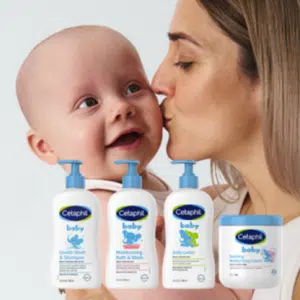 Cetaphil’s positioning is built around one core idea: less complexity, more reassurance.
In babycare, especially for sensitive skin, transparency is expressed through minimal formulations and straightforward product design. The focus is not on innovation for its own sake, but on predictability.
The Baby Ultra Sensitive Wipes reflect this philosophy perfectly. As one parent notes:
“I like using this wipes for my baby as it is soft and efficient, the ingredient is natural and safe, it won’t make my baby skin irritation and sensitive.”
— @wongweiwei
Here, transparency is not a claim — it is experienced through consistency and skin safety.
Mustela — Ingredient Transparency Meets Protective Care
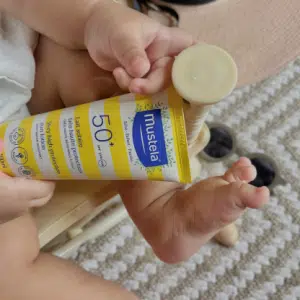 Mustela sits at the intersection of dermatological science and ingredient clarity.
The brand is strongly associated with newborn care, where trust is built early and must remain stable. Its transparency comes from clearly communicated formulations and a strong focus on skin protection.
The High Protection Sunscreen Lotion SPF is a good example of this balance between care and clarity:
“I’ve been looking sunscreen for my baby and found out that Mustela got this covered! Surprisingly the texture moist my baby’s skin apart from protecting him from UV rays. Really in love with this product!”
— @ezureennazri
Here, transparency is not only about ingredients, but also about sensory reassurance — texture, absorption, and comfort.
Aveeno Baby — Gentle Science and Visible Simplicity
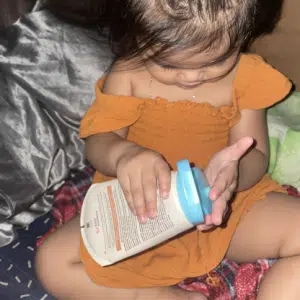 Aveeno Baby builds trust through a clear bridge between nature and dermatological science, particularly with oat-based formulations.
Its transparency lies in its ingredient storytelling that remains easy to understand, without overwhelming parents.
The Daily Moisture Lotion is often valued for how it behaves in real use:
“Loving Aveeno because it absorbs to the skin but not leaving the sticky feel.”
— @norazura.ariffin
In this case, transparency is functional — parents immediately understand what the product does through how it feels.
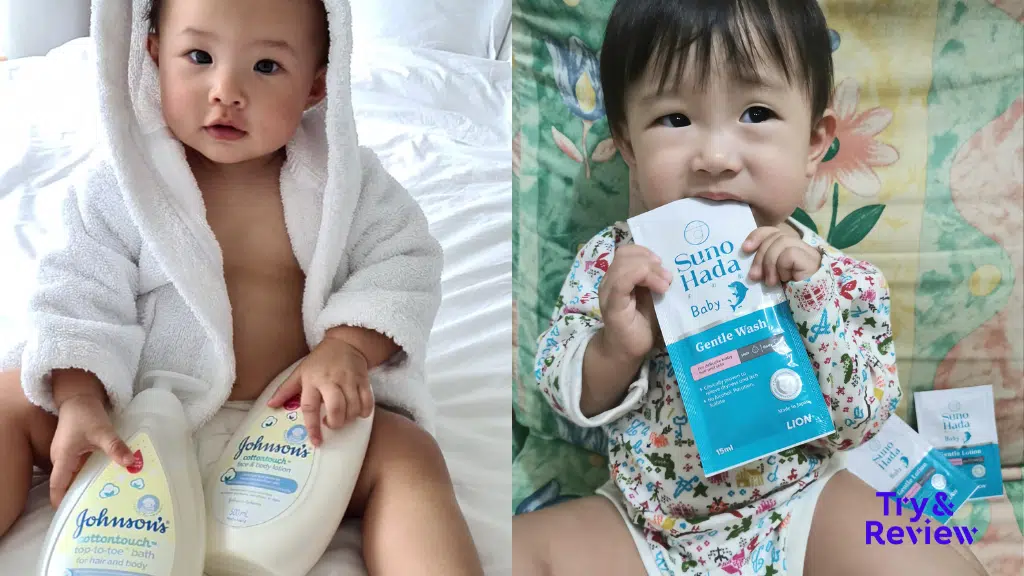
Suno Hada — Functional Transparency in Real-Time Relief
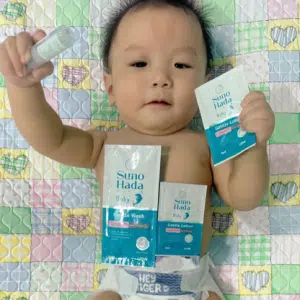
Suno Hada represents a more modern form of transparency: instant, functional clarity.
Rather than long ingredient narratives, trust is built through immediate effectiveness and minimal irritation risk.
The Quick Itch Relief Moisturizing Mist reflects this approach:
“It’s super easy to use… it starts easing the itch almost immediately. I love that it’s free of alcohol, fragrance and colourants…”
— @Nimsarav
Here, transparency is about absence: no unnecessary ingredients, no friction, no ambiguity.
Pigeon — Routine Transparency Through Everyday Repetition
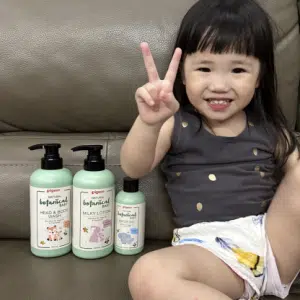
Pigeon’s strength lies in its role as a daily-use infrastructure brand in childcare, especially across Southeast Asia.
Transparency here is not visual or ingredient-led — it is behavioural. Parents trust the brand because it becomes part of repetitive routines.
The Natural Botanical Baby Head & Body Wash is described as:
“I have always been a fan of Pigeon products. The quality of this botanical series is good. Most importantly it is not drying and there is no strong fragrance in this product.”
— @msyli
Trust is reinforced not by novelty, but by predictability — what works today will work tomorrow.
Johnson’s Baby — Legacy Trust Under Modern Transparency Expectations
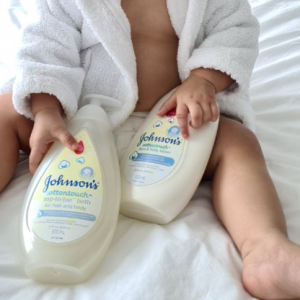
Johnson’s Baby represents one of the strongest legacy trust brands in childcare.
Its transparency challenge today is evolution: meeting modern expectations while maintaining generational familiarity.
The CottonTouch™ Lotion is perceived through sensory and visual reassurance:
“This product made my kids smell soooooo nice! It is ultra light and gentle… No added colourant is a plus point for me…”
— @EqinMohd
Here, transparency is interpreted through formulation simplicity and sensory clarity.
Heinz — Familiarity as a Form of Food Transparency
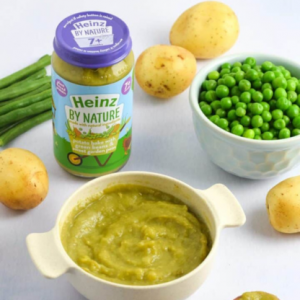 In childcare nutrition, Heinz benefits from long-standing global recognition, which translates into perceived safety and consistency.
Its Teething Rusks are valued for their predictability across generations:
“Both my toddlers used this when growing up… They can be at it for a long time.”
— @chalene.goh
In food, transparency is often emotional: if a product feels familiar, it is perceived as safer.
🧃 Yeo’s — Everyday Wellness Through Accessible Transparency
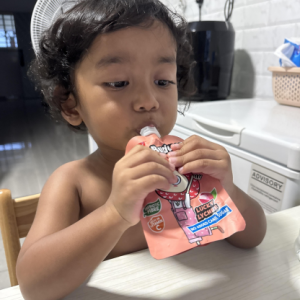 Yeo’s plays a different role: a household brand that extends into functional snacking and wellness.
The JellyBuddies Chia Seed Jelly is appreciated for its simplicity and perceived functional benefit:
“My son love these to the max. Not sweet, chia seeds helps him to poo.”
— @Kelisxjacyk
Here, transparency is practical — parents see direct, understandable outcomes.
Conclusion: Trust Is No Longer a Message — It Is a Structure
In 2026, parenting brands are no longer evaluated on promises, but on clarity across every interaction.
From skincare to nutrition, trust is built through repetition, simplicity, and visible proof.
Transparent parenting brands succeed because they don’t ask parents to believe.
They make trust easy to confirm.